- definition
- version
- dependencies
- conditions
Pipeline graph
A declared DAG defines stage order, dependencies, feature flags, resource requirements, and which nodes require human review.
Data pipelines & AI systems
Model output becomes useful when people can trace, review, and act on it.
Vyshyvka builds the machinery around the model: ingestion, schemas, extraction, normalization, enrichment, validation, review gates, telemetry, and interfaces where people can inspect, trust, and use the output.
Capabilities
Sources
Pipeline
Interface
Production engineering
The work covers ingestion, typed outputs, review screens, writeback, deployment, monitoring, and the documentation needed to operate the pipeline.
System architecture
The graph defines each stage and dependency. It also stores evidence, validates handoffs, and records the decisions reviewers need to inspect a run.
A declared DAG defines stage order, dependencies, feature flags, resource requirements, and which nodes require human review.
Inputs, node outputs, review decisions, validation reports, and final results are parsed before they become run state.
Each artifact records its owner, schema, visibility, retention policy, and deterministic key so the run can be inspected later.
Adapters isolate models, search, matching, storage, persistence, and external APIs from the pipeline's retry and test logic.
Production requirements
A viable AI workflow defines its inputs, transformations, rejection rules, review gates, publish boundary, and post-launch measures.
Without those decisions, a demo or dashboard cannot explain how its output was produced, reviewed, or approved for use.
Each output stays tied to its source material, provenance, and context.
Outputs need schemas, validation, repair paths, and failure states before they become product data.
Reviewers need clear ways to approve, reject, compare, escalate, and roll back changes.
Teams need to monitor cost, latency, retries, drift, and output quality after launch.
Demo and production comparison
Stops at the demo
Ready for operations
Pipeline anatomy
The pipeline defines which sources enter, which records pass validation, which require human review, and which may be published to the product.
Files, records, logs, databases, APIs, staff inputs.
Initialize run, snapshot config, classify sources, preserve provenance.
Source manifest.Missing provenance.PDFs, pages, HTML, transcripts, media.
Parse, assess quality, detect structure, split into stable work units.
Chunk manifest.Unreadable input.Stable chunks, prompts, source references, detection profiles.
Detect candidates, call models, parse outputs, merge cross-source results.
Candidate ledger.Unsupported output.Candidates, aliases, normalized fields, existing records.
Normalize, exact-merge, deduplicate, resolve ambiguous matches.
Resolved records.Duplicate conflict.Structured output, evidence, policies, thresholds.
Schema checks, semantic rules, repair attempts, quality gates.
Rejection ledger.Blocked publish.Evidence, validation state, warnings, proposed records.
Approve, reject, edit, patch config, record decision state.
Approval artifact.Review escalation.Approved records, write targets, queues.
Writeback to database, CMS, dashboard, API.
Product data.Writeback denied.Runs, traces, cost, latency, evals.
Observe drift, retries, quality, failures.
Telemetry trace.Quality regression.Candidate lifecycle
Intermediate states separate a prompt response from a production record. Invalid items can be rejected, repaired, explained, or dropped before they reach the product.
Find likely work units before asking a model to produce expensive structured output.
Give candidates stable IDs, source references, and enough context to trace each result back to its origin.
Clean fields, standardize units, collapse obvious aliases, and remove deterministic noise before model-backed decisions.
Turn candidate evidence into typed records with source spans, confidence, warnings, and model-call metadata.
Run schema checks plus semantic quality rules for evidence, unsupported claims, broad spans, duplicates, and missing fields.
Attempt bounded fixes for rejected items, then keep the repair history and final accept/drop reason.
Accepted records can proceed to review, enrichment, publishing, or product storage; rejected records remain out of the product.
Review gates
Each review creates a durable artifact for downstream stages: approval state, edits, rejected items, config changes, and the reason work may continue.
Stop early when the source is unreadable, incomplete, or missing provenance.
Estimate work, model calls, and cost before the expensive stages begin.
Inspect merged outputs, validation warnings, rejected items, and evidence before resolution continues.
Review uncertain duplicate groups and keep automatic merges explainable.
Approve external matching, reference resolution, and optional enrichment before publish.
Confirm final records, skipped items, errors, and writeback plan before product persistence.
Artifact anatomy
Intermediate artifacts let teams inspect, replay, repair, approve, reject, measure, and audit a run. They show what happened without reconstructing it from logs and model responses.
Operational controls
When model output can change product data, the architecture must account for retries, idempotency, rate limits, cost controls, partial failures, and controlled final writes.
Deterministic artifact keys and stable item IDs let the same node run again without duplicating work.
Runs persist completed nodes, attempts, timestamps, errors, and declared writes so recovery can skip safe work.
Approval decisions patch the effective runtime config, and resumed runs read the approved snapshot.
Provider throttles, schema repair, item retries, node retries, and non-retryable failures are handled differently.
Stage concurrency and provider queues keep cost, rate limits, and downstream APIs under control.
Intermediate stages write artifacts. The final stage writes approved records to the product database using deterministic source IDs.
Inspection and reporting
The pipeline dashboard exposes the graph state, artifacts, manifests, validation results, telemetry, and decisions used during execution.
Run inspector
needs reviewShows stages, nodes, dependencies, resource requirements, artifact declarations, and authoring warnings.
Summarizes status, completed nodes, attempts, errors, warnings, chunks, accepted records, rejected records, retries, and cost.
Lets reviewers inspect known run artifacts through a manifest instead of opening arbitrary storage keys.
Drills into one phase with inputs, prompts, validation, dependencies, examples, and chunk-level evidence.
Compares runs, fixtures, quality verdicts, model choices, token spend, failure rates, and output trends.
Services
Schemas, context builders, output validators, review queues, traceable run history.
Feature pipelines, scoring services, evaluation harnesses, inference paths, deployment artifacts.
Parsers, canonical records, entity resolution, deduplication, provenance maps.
Dashboards, review states, audit trails, confidence displays, retries, publishing controls.
Proof in the work
Each case study shows the sources, processing work, and interface used to review or publish the result.

Cultural archives and institutional operations
Chamber Music OS
Household operations, meals, nutrition, planning
Modern Recipes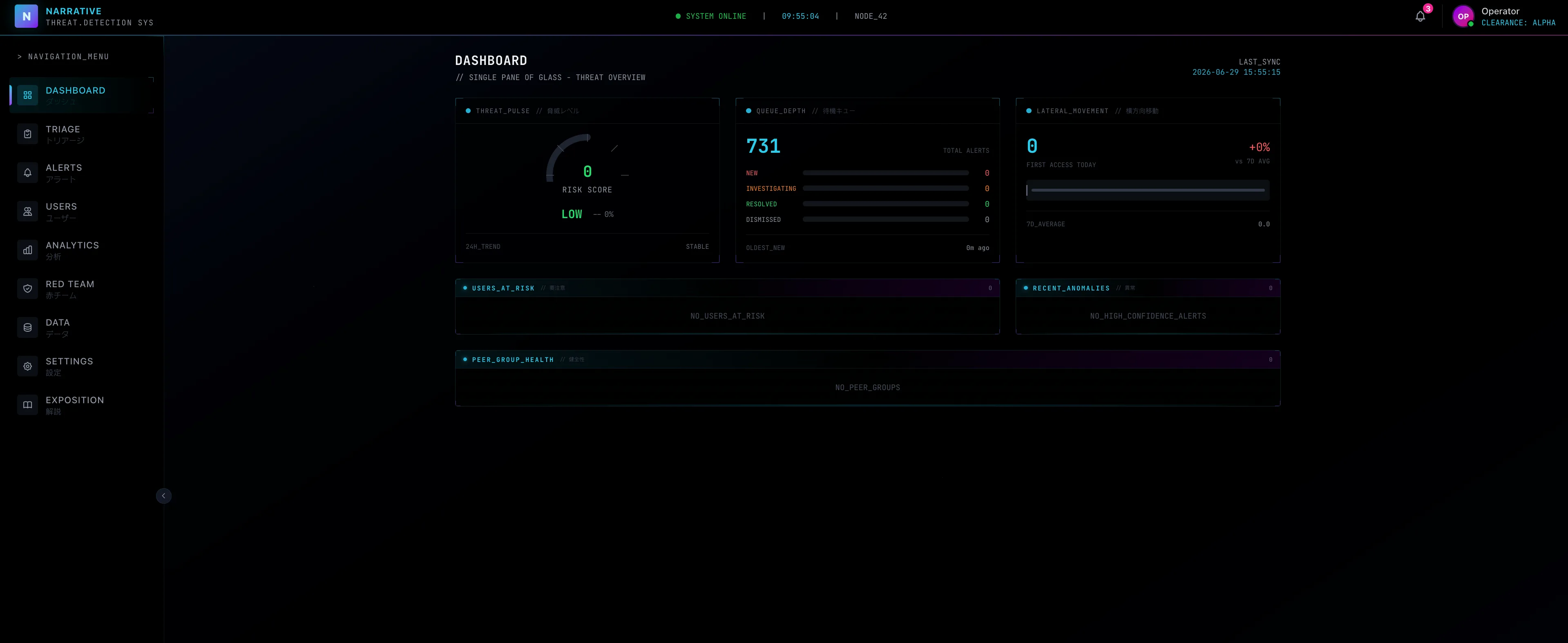
Applied AI security and behavioural analytics
Narrative Security
Language learning and structured study workflows
SlovkaProject fit
Good fit
Not a fit
Project brief
A useful brief names the inputs, the people who review the output, and where an approved result must be written.
Send a project brief