Unowned strategy
A deck names the opportunity, but nobody owns what should exist, how it works, or what must ship.
Approach
Vyshyvka takes on projects where off-the-shelf software cannot represent the records, decisions, or review process.
The engagement covers product definition, interface design, implementation, data modelling, automation, deployment, and the documentation needed to operate what ships.
Requirements before implementation
The data model must include every field, state, and action shown in the interface.
A deck names the opportunity, but nobody owns what should exist, how it works, or what must ship.
Screens look plausible while records, states, permissions, source material, and staff workflows remain unmodelled.
Tickets ship, but interface, data, workflow logic, and operational ownership drift apart.
Generated output appears, but there is no evidence trail, validation, retry path, review queue, or human control.
Fragmented version
Integrated version
Engagement types
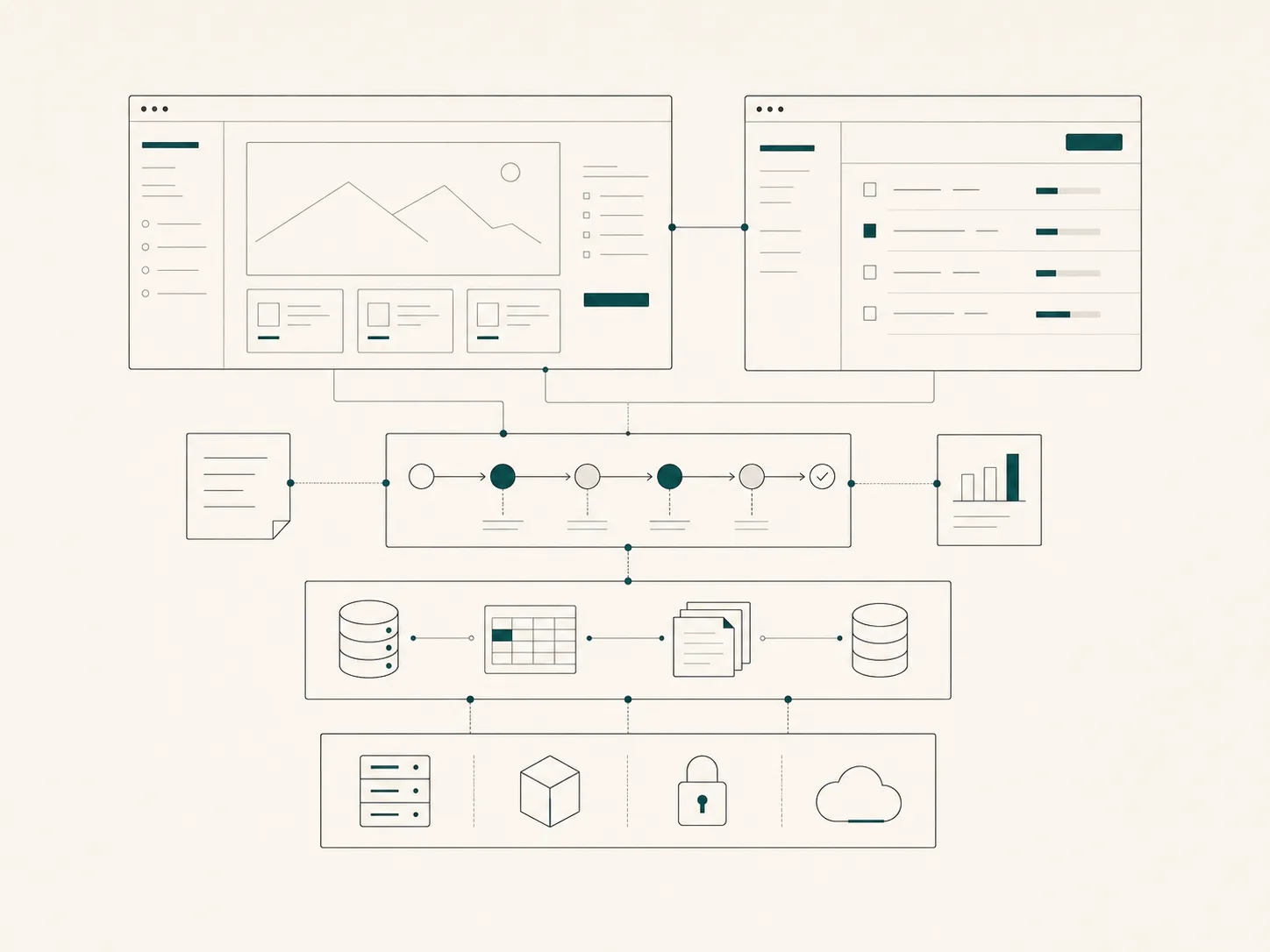
Applications that give customers and staff different views of the same records, rules, and decisions.
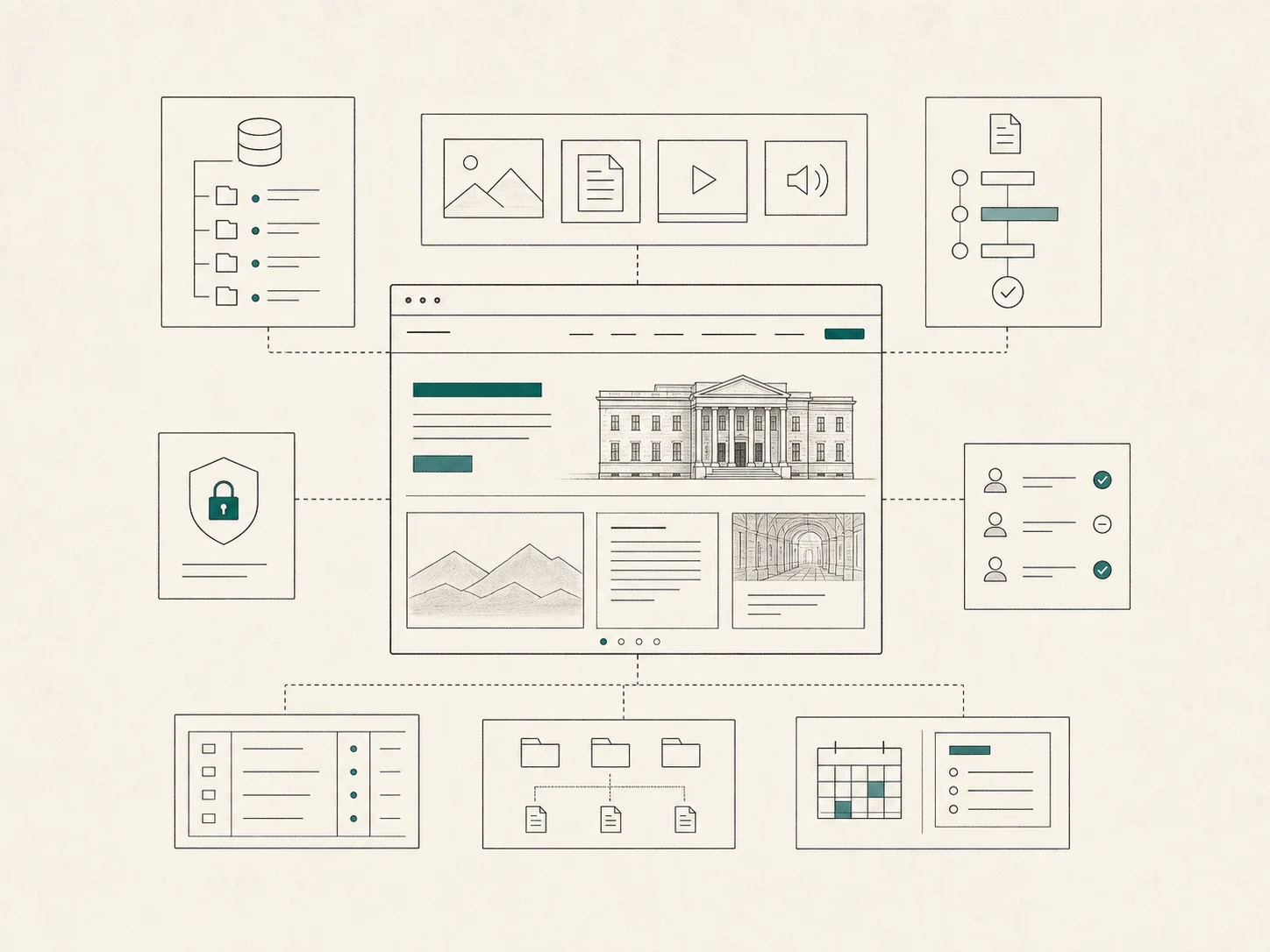
Public sites connected to records, media, publishing, permissions, and staff workflows.
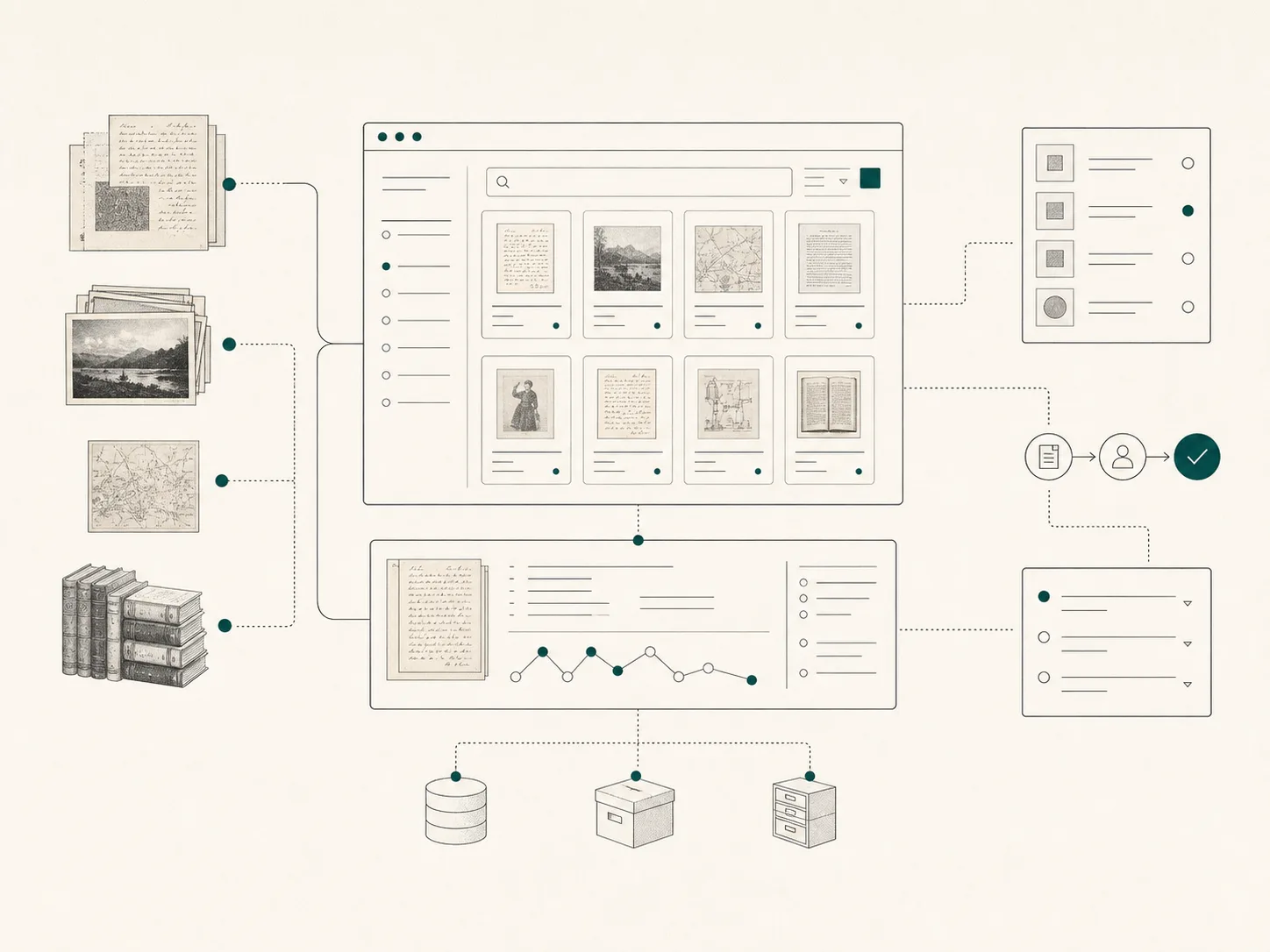
Structured collections for source material that needs search, review, provenance, and publication.
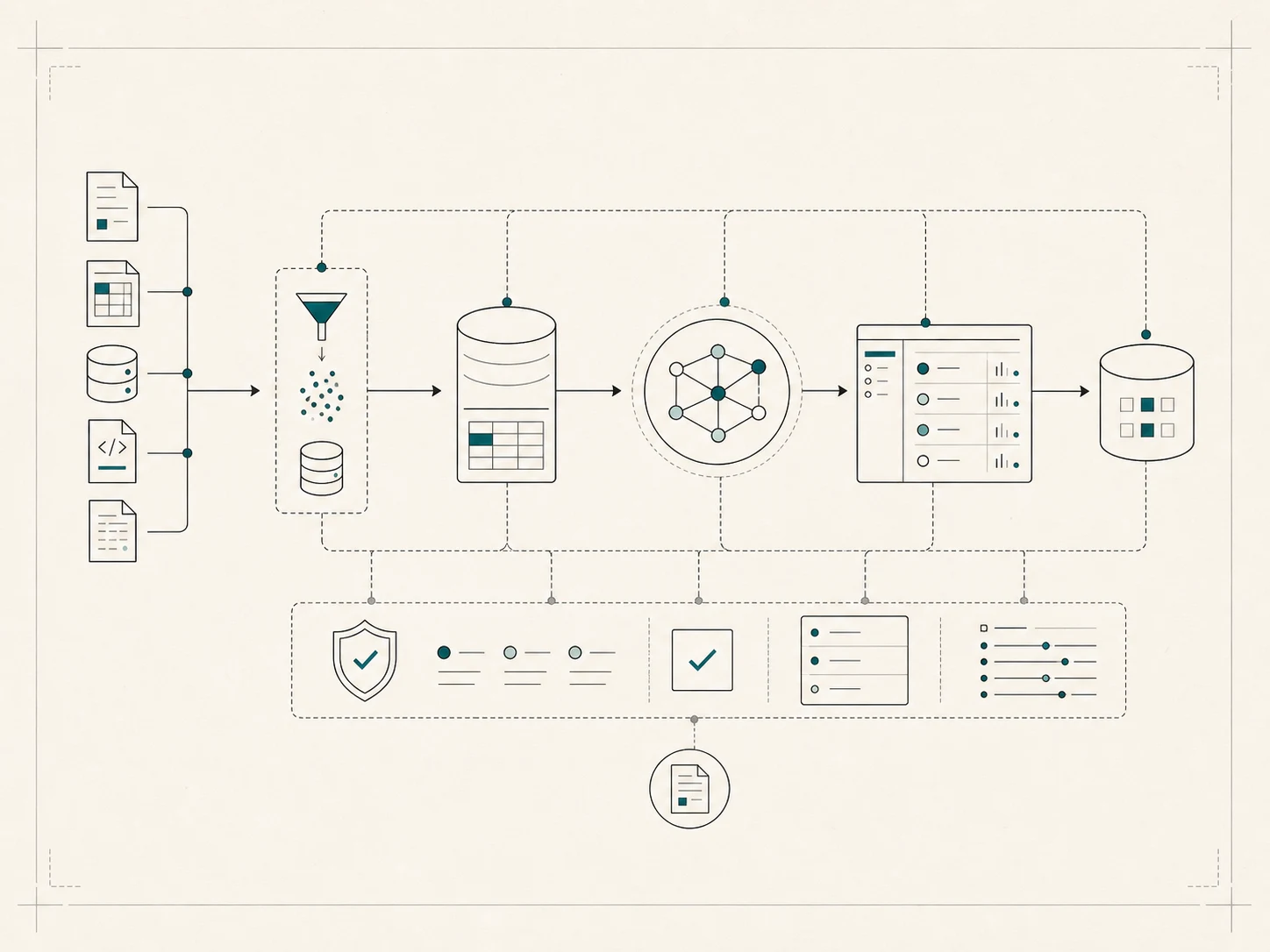
AI workflows with source ingestion, validation, review, telemetry, writeback, and security-grade evidence handling.
Architecture
The diagram traces those decisions from the public page to the records, staff actions, automation, and runtime underneath it.
Delivery process
Clarify the product, decision-maker, users, constraints, source material, and success conditions.
Map records, relationships, workflows, permissions, review states, sources, and system boundaries.
Design the public pages and staff screens around actual tasks and decisions.
Implement the application, data layer, workflows, storage, automation, permissions, and admin tools.
Test real material, edge cases, review paths, failure modes, permissions, and deployment constraints.
Deploy the product, prepare documentation, and make ownership explicit.
Use production feedback to repair, extend, or plan the next stage.
Related case studies
These projects cover chamber music, household planning, security analysis, and language learning. Each demanded a different record model and set of staff or user tasks.
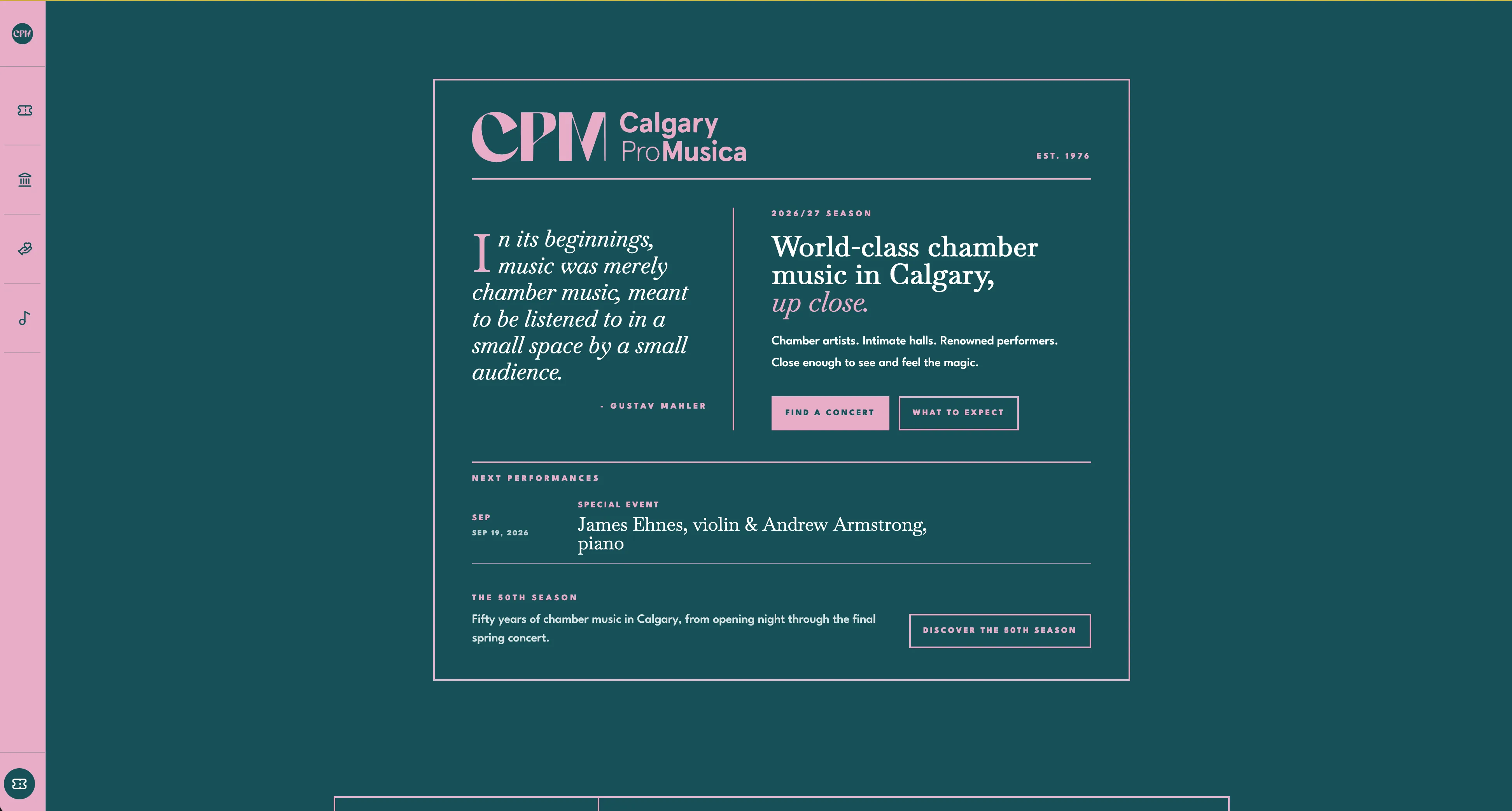 Cultural product systemChamber Music OS
A public cultural platform with staff tools for concerts, repertoire, archive records, patrons, operations, and review-gated AI-assisted content and data pipelines.
 Full-stack product systemModern Recipes
An authenticated recipe platform that uses shared ingredient records for pantry inventory, USDA nutrition data, meal planning, and shopping.
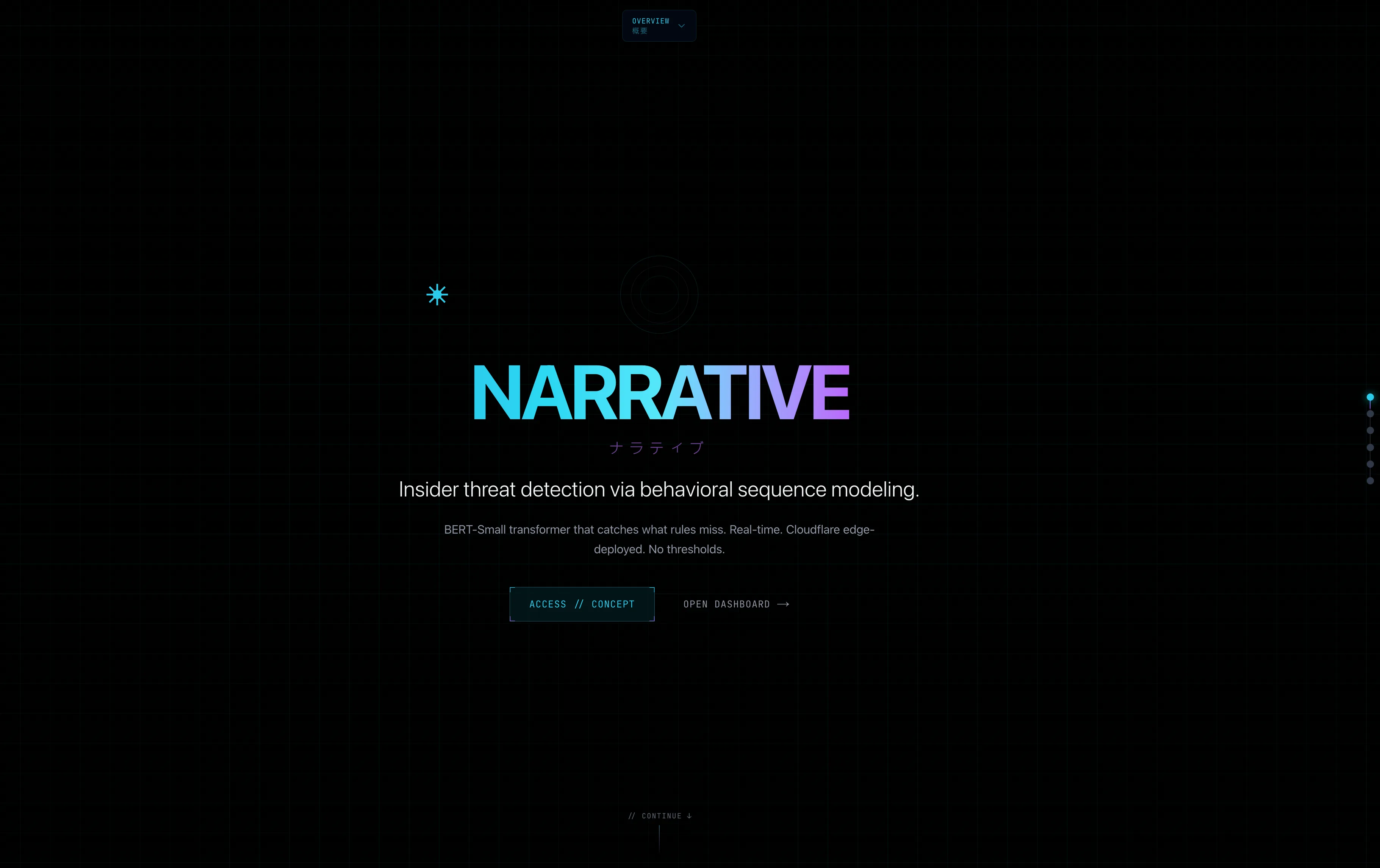 Security analytics prototypeNarrative Security
A behavioural security analytics prototype that turns raw user activity into modelled sequences, anomaly scores, and analyst-facing investigation workflows.
 Language-learning product systemSlovka
A multilingual learning platform with structured vocabulary, progress tools, grammar references, protected content operations, and AI-assisted pipelines for turning songs and poems into organized study material.
Typical team structure
Building this team in-house requires product leadership, design, engineering, data architecture, AI systems work, infrastructure, validation, documentation, and delivery ownership.
Shape, tradeoffs, scope, success conditions.
Interface language, workflows, product clarity.
Application, APIs/actions, permissions, production behaviour.
Entities, relationships, provenance, migrations.
Exploration, cleanup, analysis, prototypes, model inputs.
Extraction, enrichment, validation, review loops.
Deployment, storage, secrets, runtime constraints.
Edge cases, failure modes, release confidence.
Handoff, operating assumptions, launch readiness.
Vyshyvka shapes, designs, builds, and launches the product before a client needs a permanent product organization. The estimator below models the annualized cost of the corresponding senior roles, with separate assumptions for employer and coordination overhead.
Budget fit
Cost grows with the number of user groups, workflows, integrations, records to migrate, and approvals the product must support.
Larger platform and AI/data builds are scoped individually after the operating requirements are clear.
Start with a project briefBetter served elsewhere
Built for
Describe the users, records, and decisions the software must support.
Send a project brief